NLP Master Practitioner Certification Program Next LIVE Online Session Tuesday March 31st, 2026 Master Time, Beliefs, & Identity


★★★★★ Online Reviews
Over 500 With 99% Satisfaction Rating

Rewire Your Mind. Transform Your Life
NLP & Hypnosis for High-Performers, Leaders, and Coaches Who Want Results Without Burnout.
Powerful, Science-backed tools to break limiting habits, reduce stress, and unlock consistent high performance - personally and professionally.
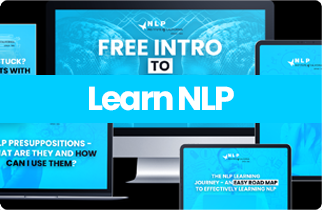
Get a free NLP Starter Learning Kit when you join our newsletter
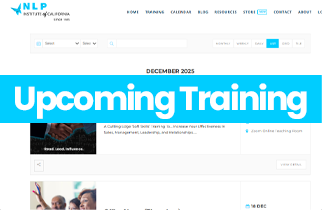
See current schedule of LIVE events online and in California.
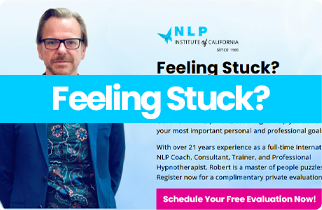
Tired of struggling with something important? Get help here…
Get a FREE NLP Starter Learning Kit when you join our newsletter
See current schedule of LIVE events online and in California.
Tired of struggling with something important? Get help here…
Learn NLP
Get a FREE NLP Starter Learning Kit when you join our newsletter
Upcoming Training
See current schedule of LIVE events online and in California.
Feeling Stuck?
Tired of struggling with something important? Get help here…
Why NLPCA?
Because it Works
At NLPCA, we believe real transformation begins in the mind. Whether you’re striving to lead better, build a business you love, or support others as a coach — the right mental programming changes everything.
the right mental programming changes everything.

Break free from self-limiting beliefs and unconscious patterns.
Shift stress, overwhelm, and old habits into clarity, ease, and momentum.
Communicate clearly, influence with integrity, and lead with confidence.
Create lasting change in both your personal life and business.
What You Can Achieve Transform Your Life
Overcome Inner Blocks: Use NLP and hypnosis to dispel negative thinking, reset limiting beliefs, heal past emotional patterns, and rewrite old stories.
Upgrade Habits & Well-Being: Establish healthier routines — physically, mentally, emotionally — without needing sheer willpower.
Lead & Influence: Enhance your communication, decision-making, and leadership presence — in teams, relationships, or with clients.
Help Others Transform: Become a certified practitioner or coach — empowered to guide others through deep change and growth.

📧
NLPCA Newsletter
A Five Minute Email That Will Transform Your LIfe.
Every Monday, get a short & quick tactic, mindset, or strategic to reprogram your mind, reduce your stress, and transform your life. Stop struggling and start taking action the easy way.
Our Offerings
Transform Yourself & Others
For You
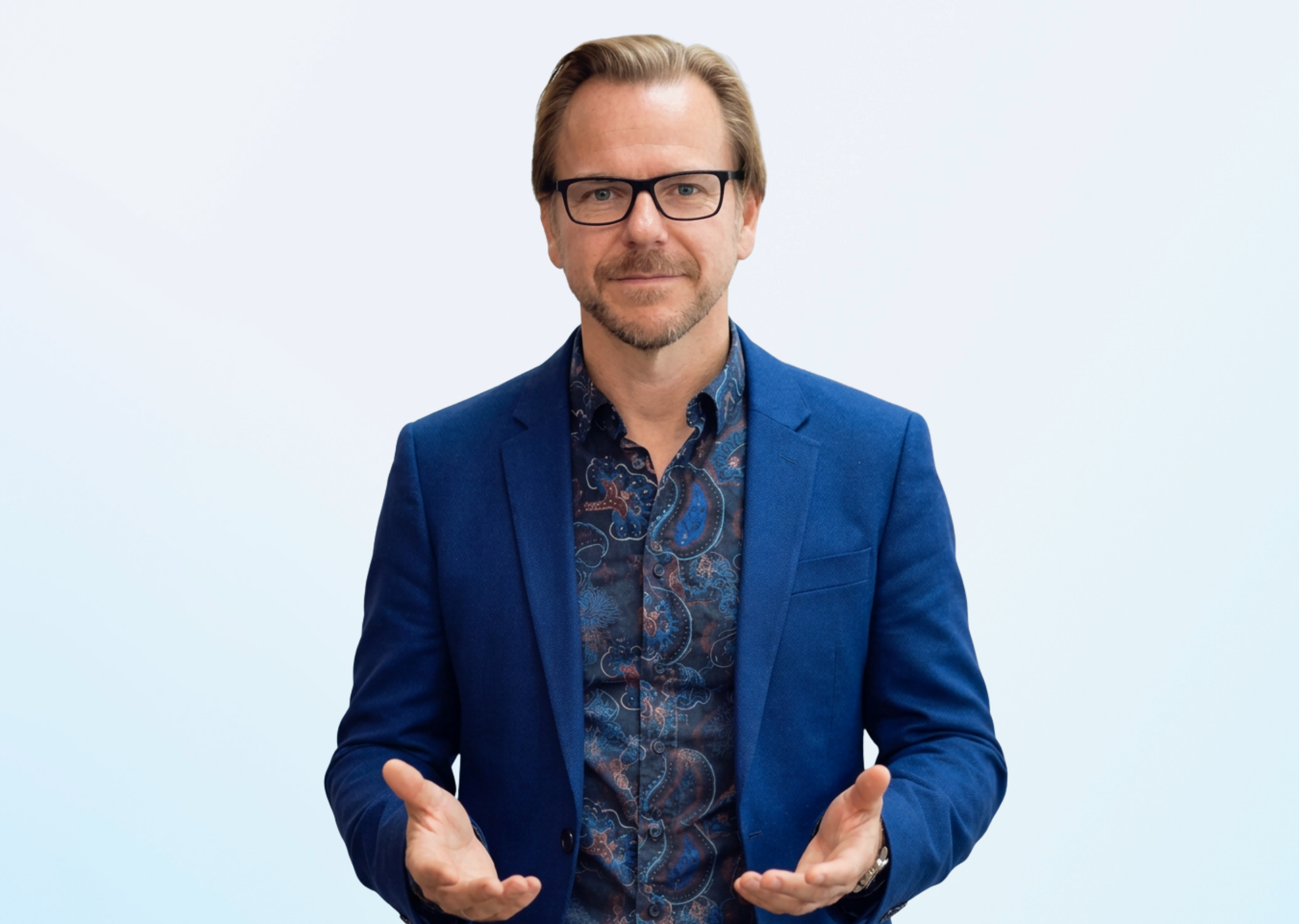
Free Intro Course: What is NLP & How Does It Work?
1:1 Private NLP & Hypnosis Coaching: Feeling Stuck, get serious breakthrough and transformation here.
Live & Online NLP & Hypnosis Trainings: Learn the tools, skills, and mindset to get more done in less time.
Weekly Insights, Resources, Community Newsletter: A 5-Minute weekly newsletter to upgrade your mind, reset your habits, and build a life & business you love (and don’t burnout from).
For Those You Serve / Coach

NLP & Hypnosis Learning Track: Complete certification programs designed to teach you the highest level skills, tools, and mindsets to help others effectively
Tools To Help Clients: Shift limiting beliefs, overcome traumatic memories, resolve conflicts, stop un-useful habits and behaviors, increase confidence & self-esteem, create and achieve goals in record time.
Leadership & Influence: Cutting edge tools and skills for leadership, presence, self-regulation, and influence. Increase your emotional IQ.
Ready To Begin?
Your first Step...
Get Your FREE NLP Start Kit – get the free intro course ‘What Is NLP & How Does It Work?”
Explore our live & online training calendar – find the next group-opening that first your calendar or start today self-paced.
Feeling stuck or uncertain? Get Coaching here: Request a free evaluation – we’ll help you choose the best path for your goals.
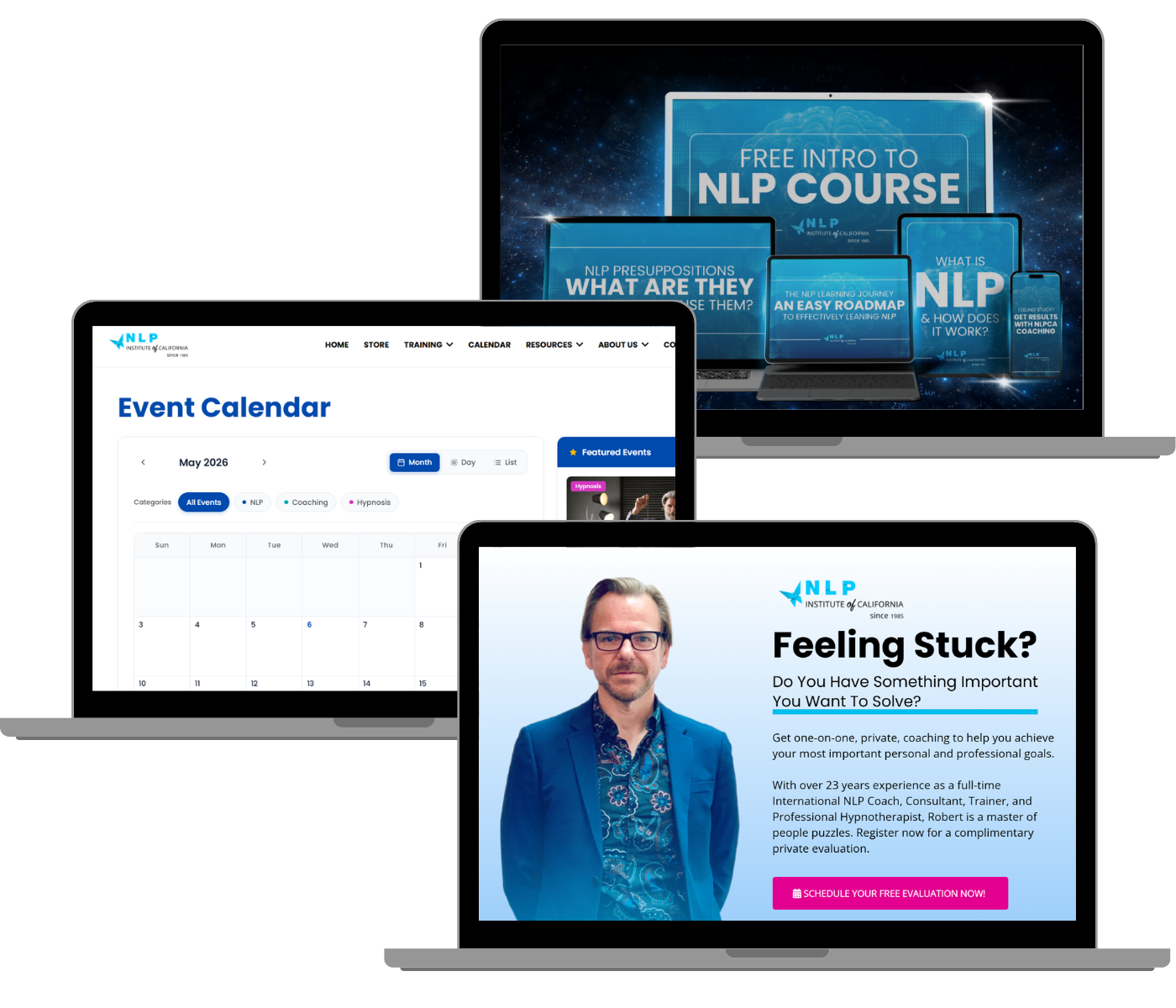
Get a FREE NLP Starter Learning Kit when you join our newsletter
See current schedule of LIVE events online and in California.
Tired of struggling with something important? Get help here…
📧
NLPCA Newsletter
A Five Minute Email That Will Transform Your LIfe.
Every Monday, get a short & quick tactic, mindset, or strategic to reprogram your mind, reduce your stress, and transform your life. Stop struggling and start taking action the easy way.
Check This Out
Training & Courses
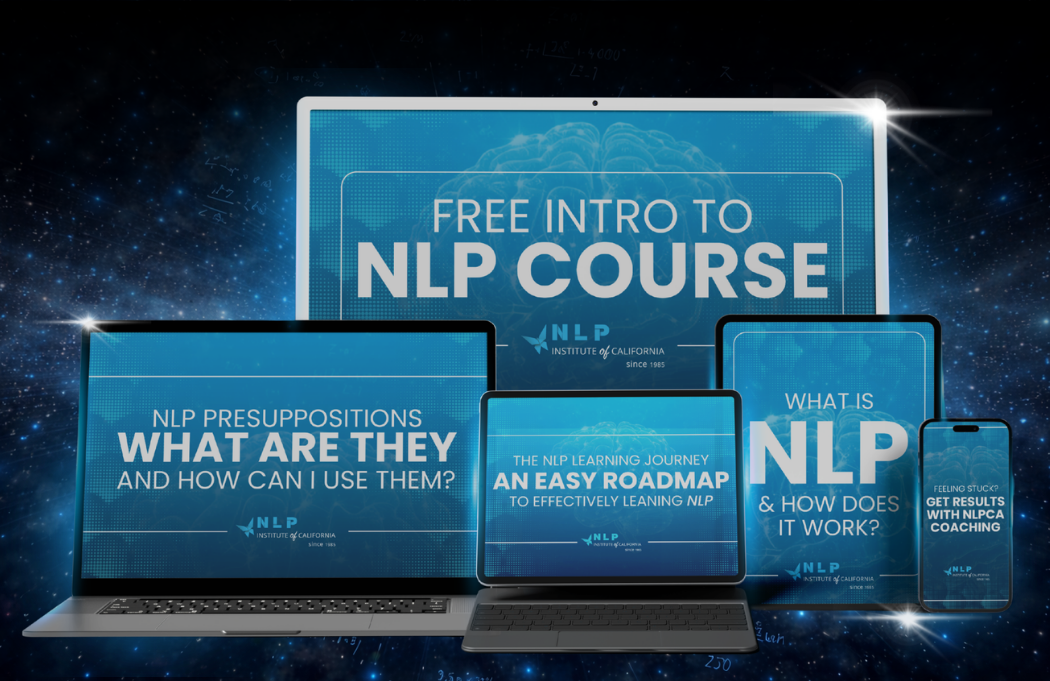
START HERE: Introduction To NLP
New To NLP? This Free course will teach you: What is NLP? How does it work? And, how can I use it in my life?

NLP Practitioner Certification Program
Learn NLP skills and integrate them into your personal and professional life. Build new relationships with like-minded people.

NLP Master Practitioner Certification Program
Create personal and professional change at the levels of beliefs and identity. Master the Fundamentals. Increase and refine your skills.
How to read & Lead With Integrity
Learn how you make decisions about work and relationships. Have more influence. Be more effective.

NLP Coach Certification Program
Become a Professional Coach. Assist others in achieving goals, transforming their lives, and becoming their best.
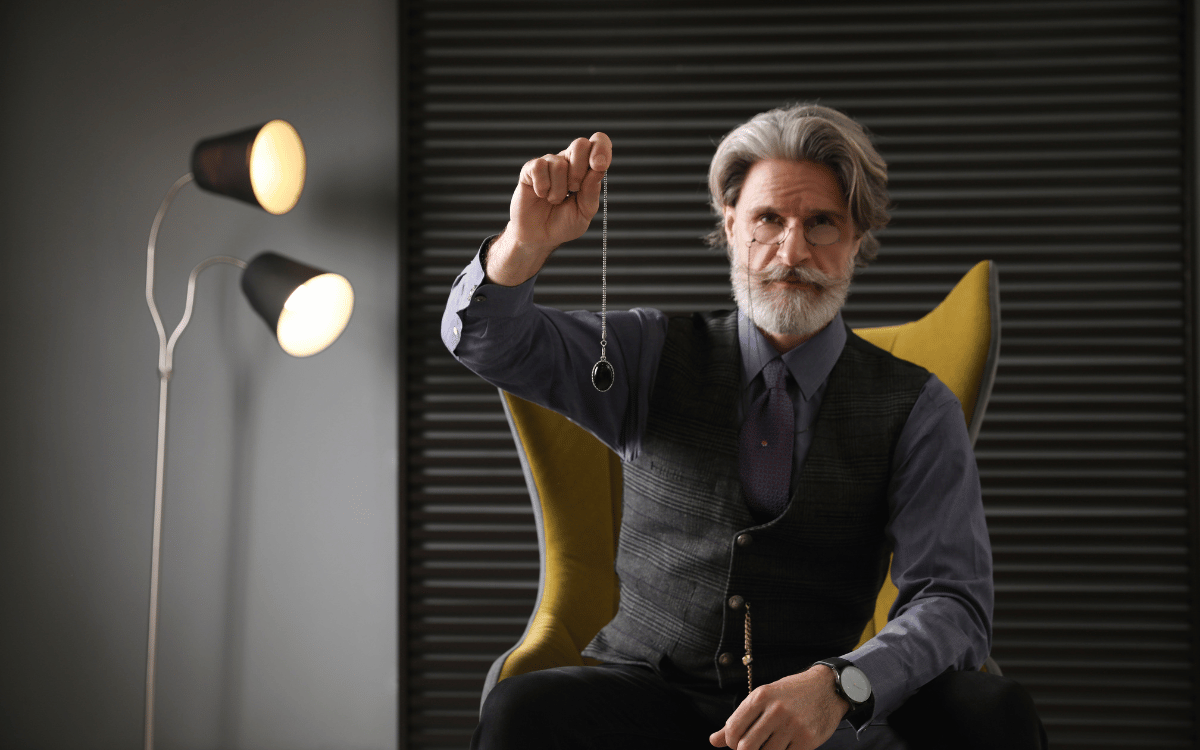
Professional Hypnosis Certification Program
Help your clients and yourself break old unwanted habits, create new ones, and automate them.

Dynamic Spin Release
The DSR Program will teach you a powerful skill you can use to rapidly resolve many issues.

Self Hypnosis For High Achievers
Learn how 5 minutes of Self-Hypnosis a day can make a massive impact on the quality of your life.

The Wealthy Mind™
The WealthyMind™ Program will teach you how to attract more wealth and success into your life.
📧
NLPCA Newsletter
A Five Minute Email That Will Transform Your LIfe.
Every Monday, get a short & quick tactic, mindset, or strategic to reprogram your mind, reduce your stress, and transform your life. Stop struggling and start taking action the easy way.
Meet Your Coaches
The Trainers

Robert Harrison
Training Director

Kris Hallbom
Founder & International Trainer
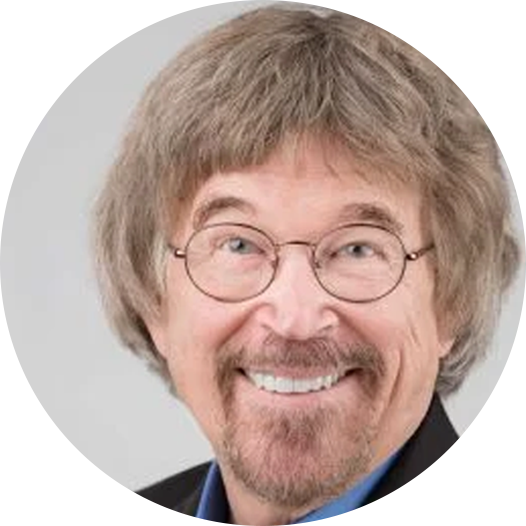
Tim Hallbom
Founder & International Trainer
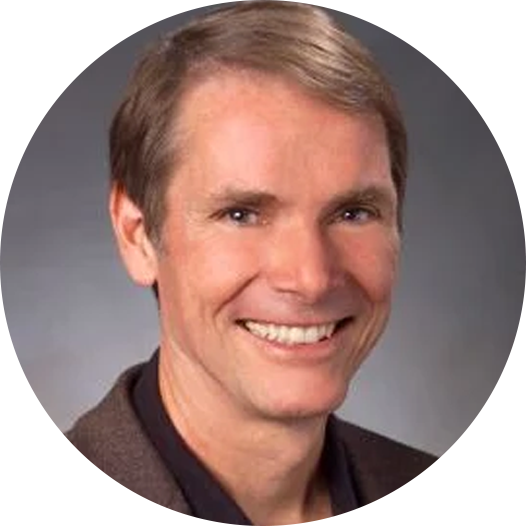
Robert Dilts
Special Guest Trainer

Connirae Andreas
Special Guest Trainer
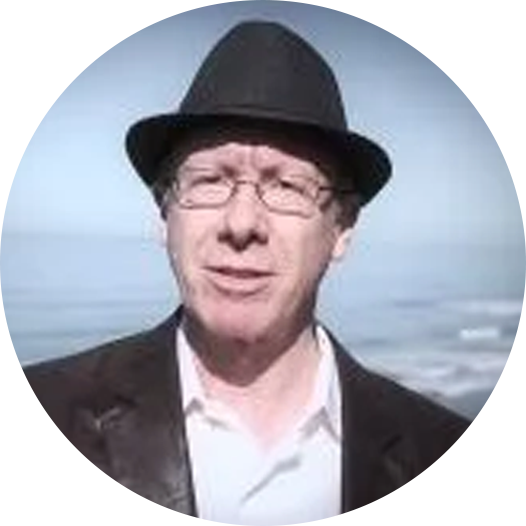
Nick LeForce
Special Guest Trainer
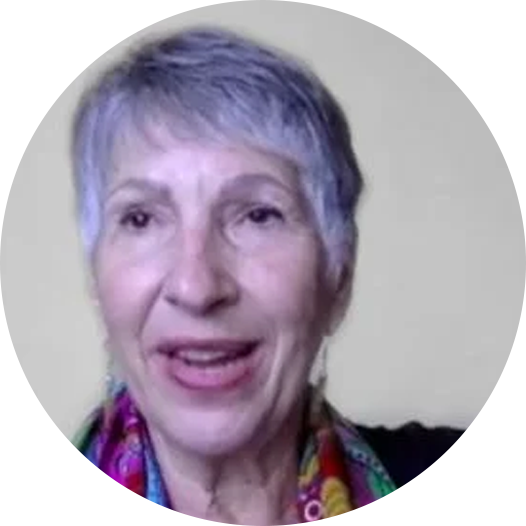
Suzi Smith
Special Guest Trainer
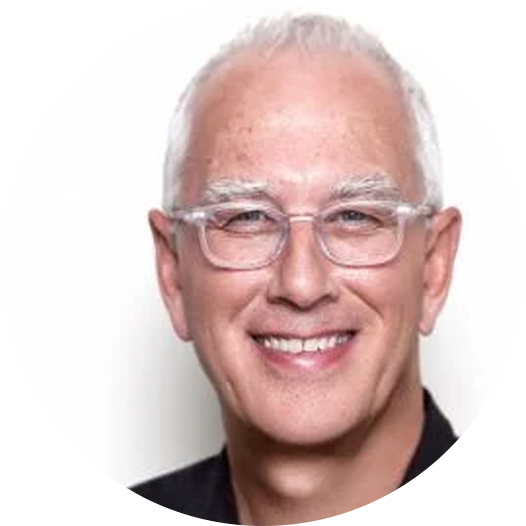
Bill O'Hanlon
Special Guest Trainer
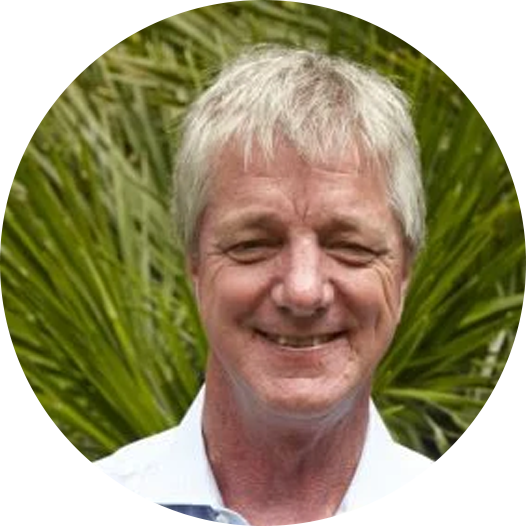
Stephen Gilligan
Special Guest Trainer
Leadership Insight
A Word from Our Director
For nearly 30 years, the NLP Institute of California has been dedicated to one mission: helping people transform their lives from the inside out.
Since our founding in 1985, we’ve seen one truth repeat itself over and over again:
Most people don’t struggle because they lack discipline—they struggle because no one ever taught them how their mind actually works.
When you change the patterns, beliefs, and emotional habits running in the background, everything changes:
your confidence, your decisions, your relationships, your performance, your entire life.
Whether you want to reduce stress, break long-standing habits, elevate your leadership, or help others transform, the tools you’ll learn here have the power to shift your identity in a way that lasts.
If you’re ready to feel clear, calm, and in control again… you’re in the right place.
Start your transformation today.
— Robert Harrison,
Training Director of NLPCA
📧
NLPCA Newsletter
A Five Minute Email That Will Transform Your LIfe.
Every Monday, get a short & quick tactic, mindset, or strategic to reprogram your mind, reduce your stress, and transform your life. Stop struggling and start taking action the easy way.
Have A Question? Call or TXT +1-408-340-9250
Copyright 1995-2025 © by The NLP Institute of California, ALL Right Reserved
NLP Institute of california P.O. Box 23663 San Jose, CA 95153